Thinking about trading your Boston condo for more space in Newton? You’re not alone. Many buyers reach a point where they want a yard, extra bedrooms, and quieter streets without losing access to Boston and Cambridge. This guide walks you through what changes when you move from Boston to Newton, how to plan the sale and purchase, and the practical steps that keep your move smooth. Let’s dive in.
Newton vs Boston: What Changes
Housing and lot size
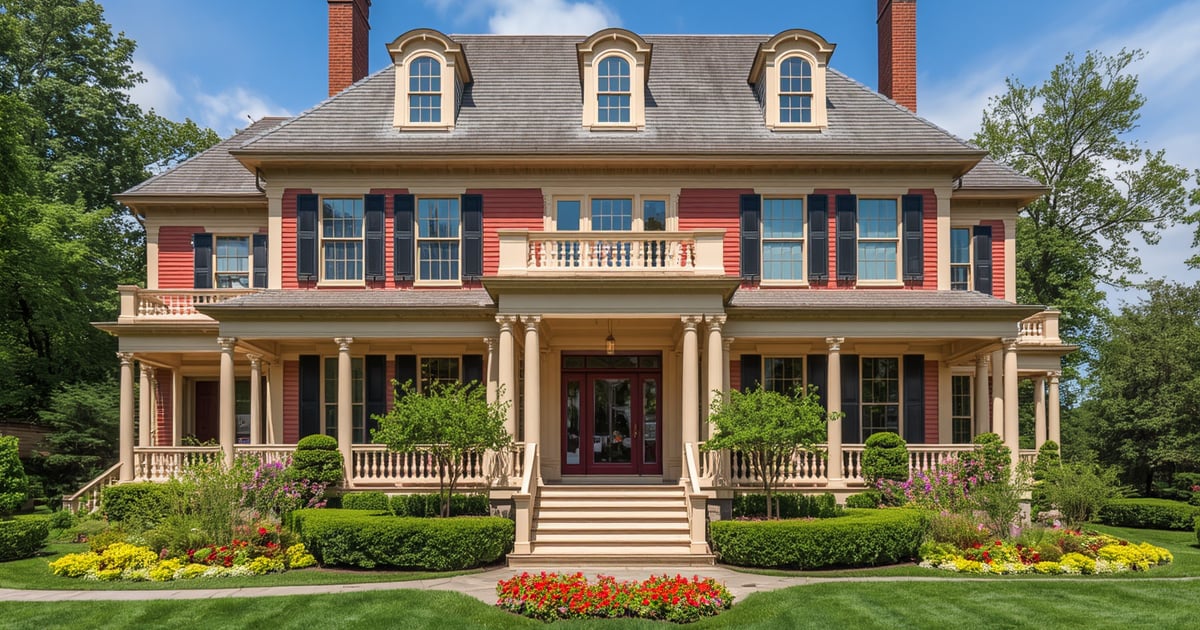
You’ll find more single-family homes, larger lots, and a wide range of architectural styles in Newton. Historic colonials, Victorians, and renovated contemporaries sit alongside newer construction and some condo options. If you want potential for additions or multi-generational living, village and lot differences matter, so align your target areas with your space goals.
Property taxes and carrying costs
Annual property tax bills reflect local assessments and tax rates, which vary by city. Because Newton home values are often higher, your total tax bill may rise even if the rate differs from Boston. Plan for recurring costs like insurance, utilities, and any HOA fees in condo communities. A lender or insurance advisor can help you model monthly costs before you make an offer.
Schools and community services
Newton Public Schools are frequently cited for strong academics and broad extracurriculars. School assignment is by address, so confirm boundaries and programs for any property you consider. You’ll also find multiple library branches, recreation centers, and community programs across the villages.
Commute and transit options
Newton offers MBTA Green Line D branch service in several villages, plus commuter rail and bus routes. Many buyers commute to Boston, Cambridge, or Route 128 job centers, so the location of your village relative to stations and highways matters. Test your commute at your typical hour to compare real travel times with your current Boston routine.
Choose Your Newton Village
Newton Centre
Newton Centre combines a lively village core with access to the Green Line D branch. You’ll see a mix of classic single-family homes and some condos within walking distance of dining and shops. Buyers value its central location and everyday convenience.
Waban and Newton Highlands
These adjacent villages are known for leafy streets, local shops, and Green Line D stations. Housing skews toward single-family homes with a range of periods and styles. If you prioritize rail access with a quieter residential feel, put these on your shortlist.
West Newton and Newtonville
West Newton and Newtonville offer village centers, local dining, and rail options that can simplify commutes into Boston. You’ll find historic homes, new builds, and renovation opportunities. Both areas provide easy access to major roadways for regional travel.
Chestnut Hill and Oak Hill
Chestnut Hill in Newton includes well-established neighborhoods and shopping corridors, while Oak Hill features larger lots and more contemporary homes in some areas. If you want more privacy or room to expand, these villages can be a fit. Confirm zoning and any neighborhood-specific design rules before planning renovations.
Financing Your Trade-Up
Get preapproved early
Trading up means a larger loan amount, which can move you into jumbo loan territory depending on price point. A thorough preapproval with a lender who understands the Greater Boston market will clarify your budget and strengthen your offer. Ask your lender to break down monthly payments, reserves, and cash-to-close scenarios.
Use home equity with a plan
Many Boston sellers leverage condo or townhouse equity for a Newton down payment. You can sequence funds by selling first, using bridge financing, or writing a purchase with a sale contingency. Each path affects risk and timing, so coordinate closely with your lender and attorney.
Understand buyer and seller costs
Buyers should budget for inspection fees, appraisal, and closing costs. Sellers should plan for brokerage commissions, standard closing costs, and any repairs or credits negotiated during inspection. For tax planning, discuss federal primary-residence exclusion basics, renovation basis adjustments, and state implications with a CPA.
Sell in Boston, Buy in Newton: Timing
Sell first vs buy first
Selling first can reduce financing risk and give you exact proceeds for your purchase. The tradeoff is the potential need for temporary housing. Buying first secures the home you want but may require bridge financing or a strong contingency structure.
Make contingencies work for you
In competitive Newton segments, some sellers may avoid extended sale contingencies. You can improve your position with a robust preapproval, proof of funds, a flexible closing date, escalation terms, or a short contingency window. Your attorney and agent can help structure terms that are credible and clear.
Prep your Boston home to perform
Declutter, stage, and complete any required municipal steps before listing. Gather condo documents if applicable, plus recent utility and improvement records. Request a market analysis and calendar-driven sale plan so your listing timing supports your Newton search.
Permits, Zoning, and Renovations
Know Newton’s rules
Permit requirements, setbacks, lot coverage, and historic district considerations can vary by village and property. Before you buy with plans to add space or change layouts, review zoning and permit pathways. Early checks help you avoid surprises and estimate timelines.
Plan thorough inspections
Older homes can include items like aging roofs, foundations, older HVAC, oil tanks, knob-and-tube wiring, or legacy materials in very old structures. Consider specialty inspections such as sewer scoping, radon testing, and lead-based paint testing for pre-1978 homes. Use inspection results to budget for immediate and long-term improvements.
Commute and Transportation Planning
Align your location with your routine
If you rely on the T, focus on villages near the Green Line D branch or commuter rail. If you drive to work along the Mass Pike or Route 128, proximity to highway access may matter more than rail. Test both directions at rush hour to compare Newton addresses against your Boston baseline.
Parking and park-and-ride
Some stations and village centers have limited parking, which may affect your daily routine. If you plan to park-and-ride, confirm availability, rules, and timing for your specific station. Small differences in location can save you time every week.
Moving Logistics and Local Regulations
Secure moving permits early
Both Boston and Newton may require temporary parking or moving permits, especially on narrower streets or near village centers. Confirm dates, times, and any building rules for elevator use. Clear truck access can trim hours from your bill.
Control cost drivers
The distance from Boston to Newton is short, but logistics add up. Elevator reservations, stair carries, and tight parking can increase time. Plan a simple checklist to keep your move efficient.
- Reserve elevator and loading dock if needed
- Confirm building move days and hours
- Request street parking or moving permits
- Photograph unit and common areas before and after
- Verify mover’s insurance and coverage limits
Your Trade-Up Checklist
- Get a thorough mortgage preapproval, including jumbo options
- Request a current market analysis for your Boston home
- Confirm Newton Public Schools boundaries for target addresses
- Test your commute at peak times by car and transit
- Review Newton zoning and permit steps for any planned renovations
- Align with a Newton-focused buyer’s agent and a Boston listing agent
- Map contingency strategies: bridge loan, rent-back, or temporary housing
- Budget for seller costs and buyer closing costs
- Book movers and secure municipal permits early
How Ingvild Brown Helps
When you trade up in Newton, the details matter. You want clear pricing guidance, renovation-savvy insight, and a negotiation plan that wins without overreaching. If you are weighing Newton, Chestnut Hill, Brookline, or nearby western suburbs in Middlesex County and the Cambridge–Newton–Framingham area, you’ll benefit from a focused, concierge approach that respects your timeline and goals. Ready to plan your move with a local specialist? Schedule a private consultation with Ingvild Brown.
FAQs
Will my property tax go up when moving from Boston to Newton?
- Your total tax bill depends on assessed value and the municipal rate; because Newton home values are often higher, many buyers see higher annual bills.
How do I time selling my Boston condo and buying a Newton home?
- Decide whether to sell first or buy first, then align financing, contingencies, and closing dates with your agent, lender, and attorney.
Which Newton villages are best for my commute into Boston or Cambridge?
- Villages near the Green Line D branch or commuter rail can simplify MBTA commutes, while proximity to the Mass Pike and Route 128 helps drivers.
Do I need a home inspection when trading up to an older Newton property?
- Yes. Include general and specialty inspections to evaluate roofs, foundations, systems, sewer lines, radon, and potential lead-based paint in pre-1978 homes.
What renovation steps should I confirm before making an offer in Newton?
- Review zoning, setbacks, historic considerations, and permit requirements for additions or exterior changes so you can budget and plan timelines accurately.