Trying to choose between Newton and Brookline? You’re not alone. Both towns sit at the top of many Boston-area shortlists, yet they deliver very different experiences when it comes to space, taxes, transit, and day-to-day lifestyle. If you understand how each market behaves, you can buy with confidence or position your home to stand out. This guide breaks down the key differences, what data to gather, and how to compare properties fairly at the upper end. Let’s dive in.
Newton vs Brookline at a glance
Newton and Brookline both rank as premier inner-suburban markets near Boston, but they don’t play the same. In broad strokes, Newton leans toward larger single-family homes on bigger lots across multiple village centers. Brookline offers a denser mix of condominiums, townhouses, and 2–3 family buildings near lively, walkable hubs.
- Newton: More detached single-family homes, larger lots in many villages, car-friendly with strong highway access.
- Brookline: More condos and attached homes, strong walkability around Coolidge Corner, Washington Square, and Brookline Village, multiple Green Line branches.
- Upper end: Newton often offers bigger houses and yards at a lower price per square foot for large homes. Brookline’s prime locations can carry higher price per square foot due to proximity and limited land.
Market fundamentals that shape price
Price levels and price per square foot
When you compare homes, look at both the sale price and price per square foot. In Brookline, centrally located, well-maintained condos and townhouses often command premium price per square foot because of transit access and walkability. In Newton, large single-family homes can show higher total prices but lower price per square foot, especially on estate-size lots. For an apples-to-apples view, sort recent sales by property type and neighborhood, then compare finished square footage, lot size, and any recent renovations.
Inventory and market tempo
Inventory and days on market drive your strategy. Pull rolling 12-month medians for context and then check 30–90 day snapshots to detect shifts. Lower months of supply and short market times suggest a faster pace and tighter negotiations. If you see a recent uptick in days on market, you may gain leverage on terms or inspection timelines.
Upper-tier and luxury sales
Define the upper end clearly before you analyze. One practical approach is to focus on the top 5 to 10 percent of recent sales by price in each town. Track list-to-sale ratios, days on market, parking or garage availability, and the quality of renovations. In both towns, turnkey properties in prime locations tend to move quickly, but buyer priorities differ by setting.
Housing stock and zoning
Newton’s village pattern
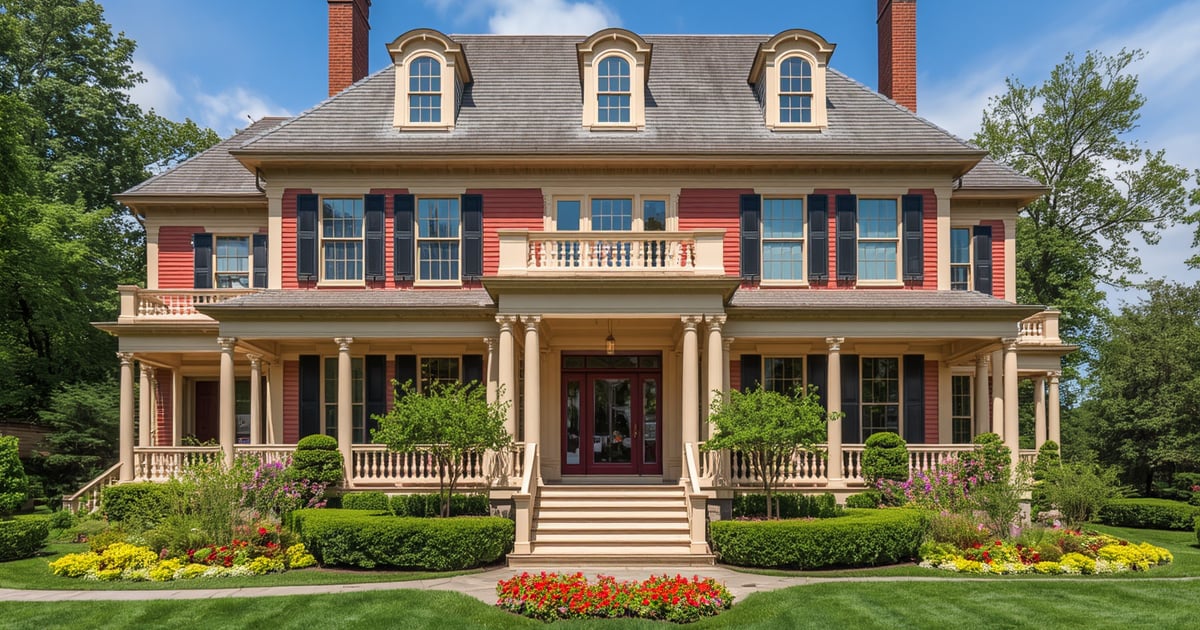
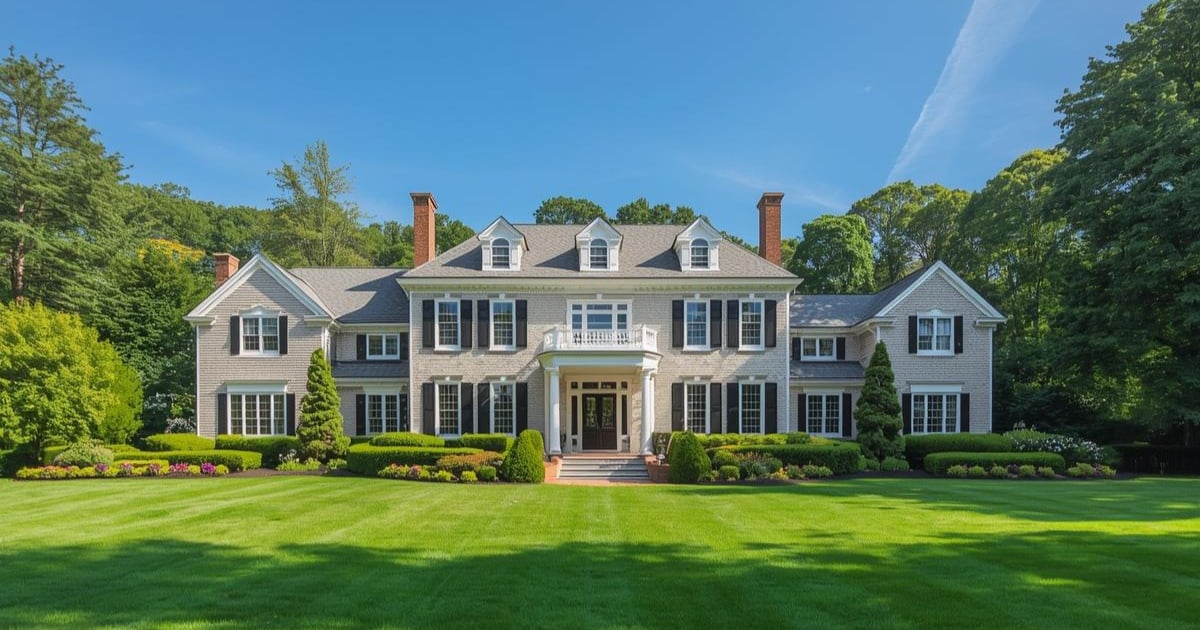
Newton’s villages, such as Newton Centre, Waban, Chestnut Hill, West Newton, Auburndale, and Nonantum, offer a wide range of single-family homes with varied architecture, including Victorians, Colonials, and Tudors. Many upper neighborhoods feature larger parcels and quiet streets, while areas near Green Line stops offer smaller lots and closer-in living.
Brookline’s urban-suburban mix
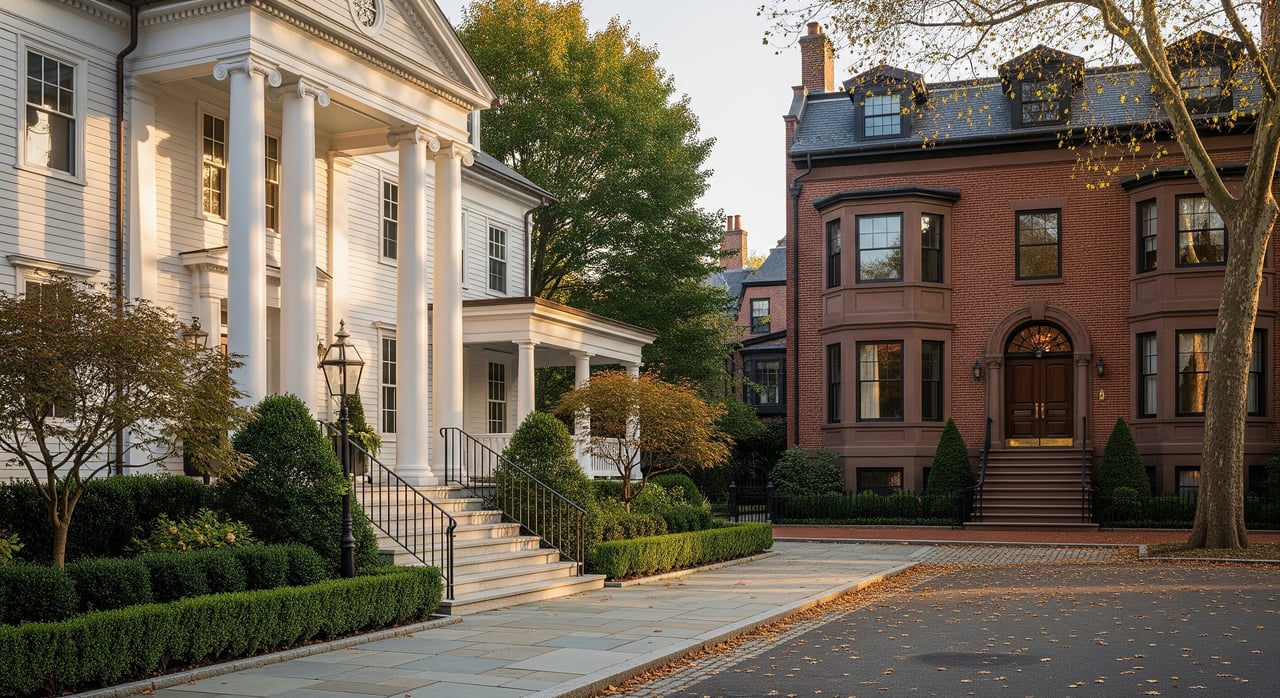
Brookline concentrates housing near well-known nodes like Coolidge Corner, Washington Square, Brookline Village, and parts of Chestnut Hill. You’ll find pre-war condo buildings, townhouses, and 2–3 family properties, plus historic districts that preserve neighborhood character. Large estate lots are less common, so outdoor space and expansion potential differ from Newton.
Lot size and future expansion
Parcel size and zoning shape long-term value. Newton’s upper neighborhoods often include 0.25 to 1 acre or more in select pockets. Brookline lots are typically smaller, often under 0.25 acre, and floor-area ratio limits can influence addition plans. If you’re weighing a renovation, check local zoning maps and coverage limits, then confirm any historic overlays that could affect exterior work.
Permitting and historic districts
Permitting timelines and community feedback can vary. Brookline has several historic districts that guide alterations. Newton includes areas with single-family preservation as well as pockets that allow multi-family by right. Before committing to a remodel or redevelopment plan, review local bylaws and consult the building department on average permit timelines.
Carrying costs and property taxes
How to compare tax bills
Property taxes depend on assessed value and the local tax rate, plus any applicable surcharges. Because assessment methods and timing differ, two homes with similar market values can generate different bills in each town. To compare fairly:
- Pull each home’s current assessed value and the town’s residential tax rate.
- Check whether a Community Preservation Act surcharge or other local assessment applies.
- Calculate the estimated annual tax bill and note that assessments can lag market value.
Municipal services and fees
Beyond the tax rate, look at local fees that affect total cost of ownership, such as trash and recycling, water and sewer, and parking permits. Policies vary by town and even by neighborhood. Factor these into your annual budget, especially if you’re deciding between a single-family home with more utilities or a condo with association fees.
Affordable housing and development outlook
Each town’s share of subsidized housing and progress toward the state’s 10 percent threshold influences development dynamics. This can shape future housing pipeline and, in turn, neighborhood supply over time. Review state inventories to understand how policy may impact long-term growth and redevelopment potential.
Schools and education options
Both towns have strong reputations for public education. For a meaningful comparison, focus on specific school assignments at the neighborhood level, as elementary and middle school boundaries can affect demand and price. Use official district and state data to review enrollment trends, student-to-teacher ratios, and program offerings. Also consider proximity to prominent private and parochial schools, as many upper-end buyers weigh commute patterns to those campuses when choosing a neighborhood.
Commute, transit, and lifestyle
Transit access and driving routes
Brookline generally provides more immediate access to multiple MBTA Green Line branches and frequent bus service. Newton features several D-branch Green Line stations and some commuter rail access nearby. Driving from Newton is often straightforward via Route 9, I‑95/Route 128, and the Mass Pike, depending on the village.
Commute-time patterns
Door-to-door times vary by exact origin and destination. As a rule of thumb, Brookline locations near the Green Line often deliver shorter transit commutes to central Boston. In Newton, some villages lean car-friendly, while others near rail stops offer balanced options. Use recent schedules and typical peak travel times to set realistic expectations before you choose a neighborhood.
Walkability and village centers
Brookline excels in walkable urban-suburban nodes with restaurants, shops, and cultural amenities close together. Newton’s village centers provide excellent services and retail but are more dispersed. Your lifestyle preference becomes the deciding factor: a larger yard and space or an active streetscape at your doorstep.
Parking and car ownership
Brookline tends to rely on permit parking and has tighter on-street rules. Newton often offers more driveways and garages, with neighborhood-by-neighborhood variation. If dedicated parking is essential, confirm garage capacity, driveway access, and any association restrictions early in your search.
How to compare the upper end
Set your definition
Pick a clear definition like the top 5 to 10 percent of sales in each town by price. This levels the field and helps you compare properties that compete for the same buyer pool.
Use a consistent comp checklist
When you evaluate recent upper-tier sales, capture the same details every time:
- Sale price, list price, and days on market
- Finished square footage, lot size, year built
- Scope and recency of renovations; energy-efficiency features
- Parking and garage spaces
- School assignment and proximity to transit, parks, and village centers
- Assessed value versus sale price, if helpful for tax planning
Plot both price per square foot and, for larger-lot Newton homes, price per buildable acre. This reveals whether you’re paying for finished space, land, or both.
Staging and negotiation focus
- In Newton: Highlight outdoor areas, extra bedrooms, finished lower levels, and garage capacity. Buyers often value room to grow and flexible living space.
- In Brookline: Emphasize location, walkability, historic details, and truly turnkey finishes. Buyers frequently prioritize convenience and charm near amenities.
A quick decision checklist
Use this to narrow your options in a weekend:
- Space needs: Do you prioritize larger interiors and yards or compact, low-maintenance living?
- Commute: Will you rely on the Green Line, bus service, or highways most days?
- Walkability: Do you want restaurants, shops, and services a short walk away?
- Renovation plans: Will zoning, lot size, or historic overlays limit your vision?
- Carrying costs: Have you compared assessed values, tax rates, and typical local fees?
- Resale horizon: Which neighborhood amenities are likely to command a premium in five to ten years?
How a concierge strategy helps
At the upper end, details win. A tailored approach that blends precise pricing, renovation-readiness insight, and negotiation coaching can protect your equity and position you ahead of the market. If you’re deciding between Newton and Brookline, a structured side-by-side analysis of comps, zoning, commute realities, and carrying costs will clarify the best move for your lifestyle and goals.
Ready to make your next step with confidence? Schedule a private consultation with Ingvild Brown to build a data-backed plan that fits your timeline and priorities.
FAQs
Will I get more space in Newton or Brookline?
- You typically get more interior square footage and yard space in Newton, while Brookline often trades space for walkability and proximity to transit.
How do commutes differ between Newton and Brookline?
- Brookline locations near the Green Line usually offer shorter transit commutes to central Boston, while Newton offers balanced options and strong highway access for drivers.
How do property taxes compare between the two towns?
- Tax bills depend on assessed value, the local tax rate, and any surcharges; run sample calculations for each target home to compare total annual costs accurately.
Which housing types are most common in each town?
- Newton leans toward detached single-family homes on larger lots, while Brookline features more condos, townhouses, and 2–3 family properties near walkable centers.
What should luxury sellers emphasize in each market?
- In Newton, showcase outdoor living, extra bedrooms, and garages; in Brookline, highlight location, historic details, and truly turnkey finishes.
How should I compare similar-price homes across the towns?
- Evaluate price and price per square foot, lot size, renovation scope, parking, transit access, and days on market, then weigh what matters most for your lifestyle.
Do zoning and historic districts affect renovation plans?
- Yes. Lot size, floor-area limits, and historic overlays can shape additions or exterior work; review local bylaws and discuss timelines with the building department before you buy.