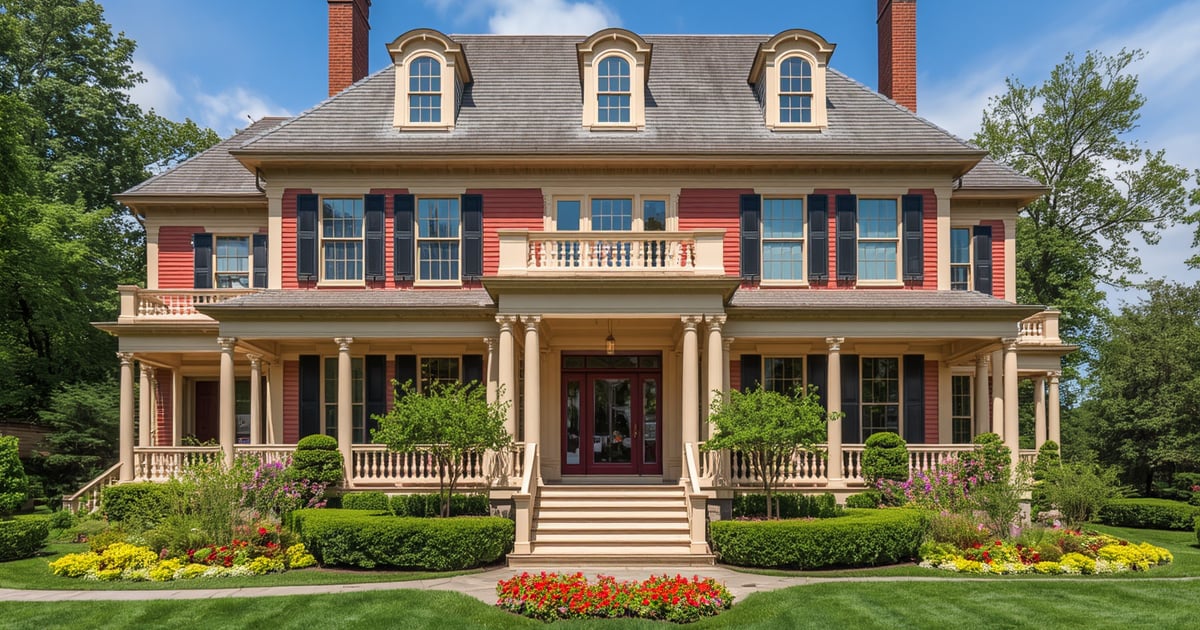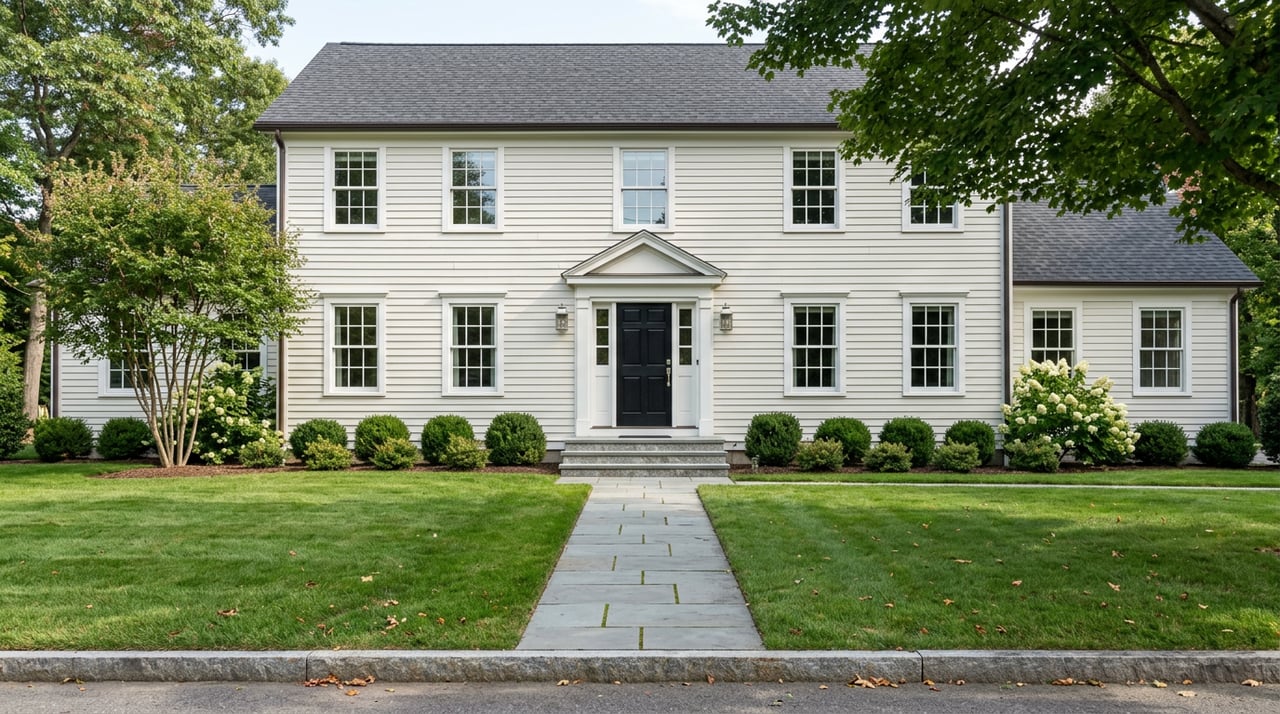
You walk into a classic Newton Colonial and imagine opening the kitchen, adding a bath, maybe finishing the attic. The potential feels real, but so do the rules, costs, and tradeoffs. If you want confidence before you commit, you need a clear way to evaluate what is feasible and what is worth it. This guide gives you the local checks, cost‑value signals, and next steps to size up a Newton home with precision. Let’s dive in.
Start with zoning basics
Newton’s rules live in the City’s Zoning Ordinance. Before you sketch a plan, confirm the property’s base zoning and any overlay options. The city’s Development Review page explains how the ordinance works and links to Chapter 30.
- Use the Planning and Development Review overview to orient yourself to districts, dimensional rules, and process. You can find that on the city’s Development Review pages.
- Newton’s Village Center Overlay Districts near transit expanded what is possible for unit creation and additions in those areas. Review the city’s Village Centers overview to understand where overlays apply.
Visit Development Review | See Village Centers overview
Check zoning district and FAR
Newton regulates above‑ground size with Floor Area Ratio. The city provides a FAR calculator that helps you estimate the maximum allowed gross floor area based on lot size. Finishing space inside the existing building envelope, such as a basement or attic, does not count toward FAR.
- Run the city’s FAR calculator early to see how much expansion room you have.
- If you are close to the limit, look for value in basement or attic conversions where feasible.
ADU potential at a glance
Accessory Dwelling Units are permitted under specific conditions. Newton allows internal and detached ADUs, but size, setbacks, parking, and historic reviews can affect eligibility. Internal ADUs may be by‑right within limits, while detached ADUs often need closer review.
Historic district review
Several Newton villages include local historic districts. If the home is in a local district, exterior changes visible from a public way usually require a Certificate from the Historic District Commission before you can get a building permit. Plan design and materials with this review in mind.
Check the historic district review process
Find physical upside in Newton homes
Newton’s housing stock spans late‑Victorian, Colonial Revival, Tudor Revival, Craftsman bungalows, and mid‑century ranches. These styles often have attics with dormer potential, center‑hall layouts that can open up, and basements that may be convertible if height and water conditions allow. The specific era shifts what upgrades are straightforward.
Focus on features that unlock livable area without costly structural changes:
- Basement conversions. If dry with adequate height, finishing a basement is often the best cost per square foot and does not count toward FAR.
- Attic upgrades. Look for roof pitch that supports dormers and usable headroom. Dormers can improve bedrooms or add a bath with limited footprint change.
- Systems and envelope. Electrical capacity, HVAC age, foundation condition, and water management drive scope and cost. Major structural or systems work will trigger permits and inspections.
For any changes that affect structure or systems, coordinate with the city’s Inspectional Services Department.
Evaluate your lot for additions
A promising lot saves time and money. Walk the site and check the parcel map for:
- Rear yard depth and width for additions or a detached ADU.
- Topography and retaining walls that can add cost.
- Easements, buffers, and utilities that limit new footprints.
Use the city’s MapGeo parcel viewer to study setbacks, footprints, and neighboring patterns.
Value‑forward projects in Newton
Use regional benchmarks to set expectations, then tailor to village‑level demand. The Remodeling Cost vs. Value report for New England shows that many exterior and curb‑appeal projects tend to recoup a high share of cost, while very high‑end interior additions often recoup less by percentage. Kitchens and baths improve saleability, but scope wisely.
High‑leverage ideas to consider:
- Curb and entry improvements. New entry or garage doors, fresh paint, and landscaping deliver strong visual impact.
- Finish existing basement or attic. Adds usable space without increasing FAR.
- Moderate kitchen remodel. Refresh finishes or re‑plan for better flow. Be cautious with ultra‑luxury scopes if you want higher percentage ROI.
- Add a bath or reconfigure bedrooms. Many older homes benefit from an extra bath or modern primary suite layout.
- ADU or accessory apartment. Where allowed, an ADU can provide rental income and flexibility. Confirm eligibility first.
Explore Cost vs. Value benchmarks
Permits and timelines to plan for
Not every project needs a special permit, but many do if you change setbacks, create nonconformities, or add units. Newton’s Special Permit FAQ notes an average review of about 3 to 4 months from filing to decision. Build that into your timeline.
All structural, electrical, plumbing, HVAC, and unit‑creating work goes through building permits with inspections. Coordinate early with both Planning and Inspectional Services for projects that change the footprint, elevation, or number of units.
Read the Special Permit FAQs | Inspectional Services overview
A quick Newton evaluation checklist
Use this simple flow to judge renovation potential before you bid or start design:
- Confirm zoning and FAR.
- Run the city’s FAR calculator for allowed square footage and setbacks. Remember that finishing space within the existing envelope does not count toward FAR.
- Test the lot for buildability.
- Check rear yard depth, side setbacks, and slope. Walk the site and review the parcel map for easements and utilities.
- Inspect structure and systems.
- Verify attic headroom, roof geometry for dormers, basement height and moisture, electrical service size, and HVAC age. Plan for permits on anything structural or mechanical.
- Check historic overlays.
- If in a local historic district, exterior changes that are visible from a public way need Commission review. Look at nearby approved projects to gauge what is common.
- Size ADU or unit potential.
- Use the city’s ADU guidance to distinguish internal from detached paths. Confirm setbacks, parking, and any design review triggers.
- Layer in market context.
- Proximity to village centers and transit often supports larger investments. In overlay areas near transit, options for additional units may improve feasibility and demand.
Start with the Newton FAR calculator | Check ADU guidance | Historic review process
Village context and demand signals
Newton is a network of distinct villages, each with its own lot patterns, transit access, and commercial cores. These differences shape what buyers expect and what projects pencil out. Near Green Line stations or commuter rail stops, more flexible zoning in village centers can increase the appeal of unit creation or ADUs.
If you are investing in a larger addition, weigh access to village amenities, transit, and schools. Neutral, location‑based advantages often support long‑term value and wider buyer interest.
Next step
If you want a clear picture of what a specific Newton property can become, bring in a local, renovation‑savvy partner. With a strategic plan grounded in zoning, structure, and market data, you can avoid missteps and focus your budget where it pays back.
Schedule a private consultation with Ingvild Brown to review a property, stress‑test scope against Newton’s rules, and connect with vetted architects and contractors.
FAQs
What is FAR in Newton and why does it matter?
- FAR is the rule that limits above‑ground building size based on lot area. Use the city’s FAR calculator to see if you can add square footage or should look to finish space inside the current envelope.
Do finished basements or attics count toward FAR in Newton?
- Finishing existing space within the current building envelope, such as a basement or attic, does not count toward FAR. Always confirm feasibility and code requirements before planning finishes.
Can you build a detached ADU in Newton?
- Detached ADUs can be allowed if you meet size, setback, and other rules. Internal ADUs may be by‑right within limits. Review the city’s ADU guidance and check for historic‑district requirements.
How long do Newton special permits take?
- The city’s Special Permit FAQ estimates about 3 to 4 months from filing through decision for an average petition. Build in time for public notice and hearings.
How do local historic districts affect renovations?
- If your home is in a local historic district, exterior changes visible from a public way usually require a Certificate from the Historic District Commission before a building permit.