Selling an estate home in Brookline is rarely a simple list-and-go process. If your property has been in the family for years, needs updates, or comes with a long paper trail, it can be hard to know what to handle first and what can wait. The good news is that a smart, well-sequenced plan can protect value, reduce surprises, and help you move from prep to closing with more confidence. Let’s dive in.
Understand the Brookline estate market
Brookline’s single-family market remains tight and expensive, but that does not mean every estate home will sell easily without careful planning. In the Brookline MLS area review dated April 16, 2026, single-family homes sold for an average of about $2.88 million, or roughly $834 per square foot.
That same report shows active inventory averaging 63 days on market and 5.03 months of supply. Sold homes closed at 97.21% of original list price, which is an important signal for estate sellers. Buyers are still willing to pay strong prices, but they are not rewarding an unrealistic launch.
For you, that means the sale process should start well before the listing goes live. Estate properties often need more coordination than a typical resale, especially when the home is older, vacant, or has had work done over time.
Start with documents and permits
One of the first steps is building a clean property file. Before photography, showings, or pricing discussions, gather permits, plans, invoices, utility information, and any records tied to past improvements.
In Brookline, construction, reconstruction, alteration, repair, removal, demolition, or a change of occupancy that falls under the state building code requires a building permit. The town says most permit applications are reviewed in 7 to 10 days, while larger residential projects can take up to 30 days.
If you are planning light pre-sale work, timing matters. Brookline also notes that a permit expires if work is not started within 180 days. That makes it especially important to decide early which repairs or updates are worth doing before launch.
Check historic district status early
Some Brookline estate homes fall within one of the town’s local historic districts. Brookline has eight local historic districts, and exterior changes visible from a public way generally require Preservation Commission or staff review, plus a certificate, before a building permit can be issued.
Visible work can include windows, doors, roofs, additions, fences, walls, and grade changes. If your pre-sale plan includes exterior touch-ups or larger improvements, this step should happen near the beginning of your timeline, not at the end.
This is one reason estate sales benefit from a longer runway. A thoughtful process can avoid delays that might otherwise push back photography, market timing, or closing plans.
Factor tree review into the timeline
Brookline’s tree rules can also affect your schedule. Under the town’s Tree Preservation By-law, effective March 27, 2025, the rules apply to trees 6 inches DBH and larger.
If protected tree removal is involved, or if construction, demolition, or excavation is planned within 30 feet of a protected tree, a Tree Impact and Removal Permit may be required. The town says review can take up to 30 business days.
That may not sound directly tied to selling, but it often is. Exterior cleanup, driveway work, grading, or site preparation can all intersect with tree review, so it is worth checking before contractors are scheduled.
Handle disclosure items the right way
Brookline estate sellers should also prepare for the disclosure items that commonly come up in Massachusetts. For homes built before 1978, lead-paint notification is required before a purchase and sale agreement is signed.
Massachusetts also requires a residential home-inspection disclosure for 1- to 4-unit properties, including single-family homes. It must be provided before or at the first written contract, and sellers or agents cannot condition acceptance on a buyer waiving the inspection right.
Massachusetts ordinary homeowners generally do not complete a broad statewide seller-disclosure form. In practice, the recurring disclosure items for many Brookline estate homes are the lead-paint requirement for older homes and the state’s mandatory inspection-right disclosure.
Prepare the home like a curated launch
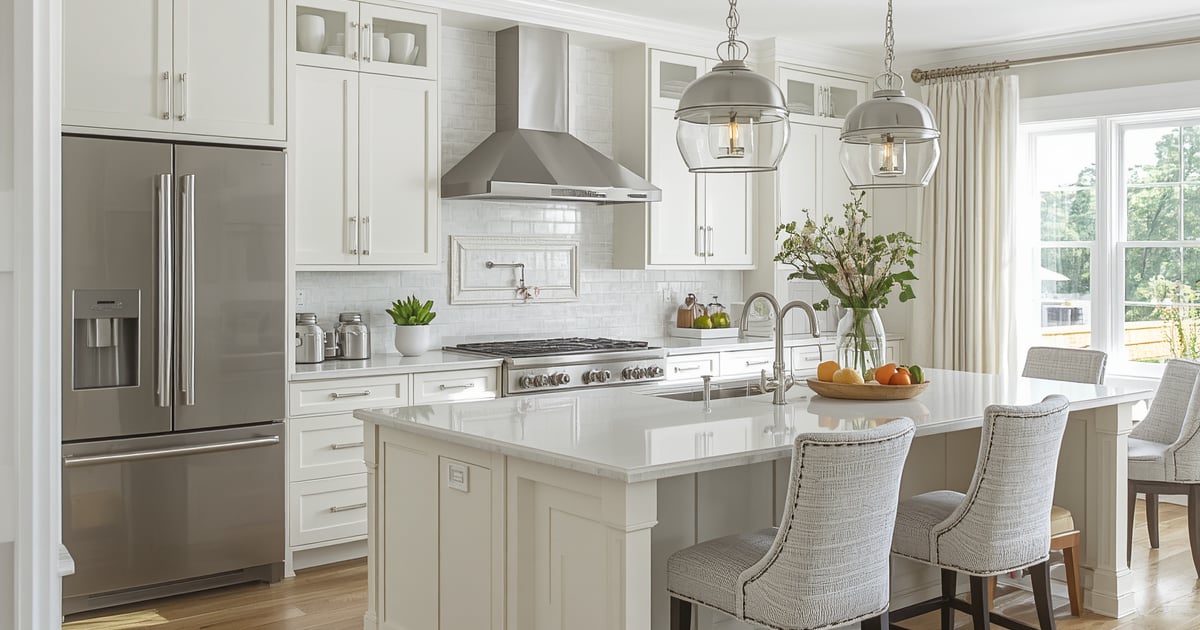
In the upper tier of the Brookline market, presentation matters because buyers are comparing condition, layout, light, and finish quality very quickly. Estate homes often need special handling because they may be partially furnished, dated, or entirely vacant.
Staging can help buyers understand scale and function. According to the National Association of Realtors’ 2023 staging profile, about 80% of buyer’s agents say staging helps clients visualize a home, and about one-third believe a staged home can be worth 1% to 10% more than a similar unstaged home.
That does not mean every room needs a full redesign. For an estate property, the goal is often to reduce visual noise, clarify room purpose, and create a polished first impression in photography and showings.
Focus on clarity, not excess
A strong estate-home presentation usually starts with editing. Remove dated, oversized, or highly personal items so buyers can better read room proportions and flow.
From there, decide what the home needs most. Some properties benefit from light in-person staging, while others may be better served by selective staging in key rooms and virtual staging for vacant spaces.
Use virtual staging strategically
Virtual staging can be especially useful if the home is empty or the owner has already moved out. NAR notes that it can help listing photos and online presentation when furniture is unavailable or the property is vacant.
In a market where sold prices are averaging near original list rather than far above it, polished presentation supports pricing credibility. It also helps your home compete without relying on wishful pricing.
Price from current Brookline evidence
Pricing an estate home is rarely about what the family hopes the property is worth or what nearby homes once asked. In Brookline, pricing should be built from recent neighborhood comparables, condition, and the home’s current market position.
The local MLS data show single-family solds averaging 97.21% of original list price. That suggests overpricing can cost momentum, even in the luxury segment.
Tax assessments should not drive list price either. Brookline’s FY2026 residential tax rate is $10.24 per $1,000 of assessed value, and taxes are billed quarterly on August 1, November 1, February 1, and May 1, but assessment and market value are not the same thing.
A disciplined pricing strategy is especially important for estate sales because buyers often assume they may need to budget for updates. If the home has deferred maintenance, permit questions, or dated finishes, those factors need to be reflected from the start.
Build a realistic seller runway
Many estate sales take longer to prepare than owners first expect. When permits, historic review, tree review, cleaning, repairs, staging, and paperwork are all part of the plan, a rushed timeline can weaken the final result.
The most realistic framework for this segment is often a 6- to 18-month seller runway. That does not mean every home needs that long, but it does mean you should think in phases rather than a single launch date.
A practical sequence often looks like this:
- Gather documents and property history
- Review permits, historic status, and tree requirements
- Decide which repairs or improvements are worth doing
- Prepare disclosures for the transaction file
- Edit, stage, and photograph the home
- Price from recent Brookline data and current condition
- Launch with a clear negotiation and closing plan
Know what closing looks like in Massachusetts
When your home goes under agreement, the final stage is still highly structured. Massachusetts is an attorney-led closing state, and state law requires substantive attorney participation in real-estate conveyancing.
A non-attorney notary may not conduct a real-estate closing or act as the closing agent. State closing materials also place title search, settlement, and recording within the closing workflow.
For estate sellers, this is another reason to get organized early. If title questions, trust paperwork, or property records need attention, those issues are easier to solve before closing pressure builds.
Confirm your net sheet early
You should also factor in transfer tax. Massachusetts imposes a deeds excise of $2.28 per $500 of consideration.
That cost affects your final net proceeds, so it is wise to confirm numbers with the closing attorney early in the process. For higher-value Brookline sales, even small line items can materially affect planning.
Why sequencing matters most
The strongest Brookline estate sales usually do not happen because the market does all the work. They happen because the seller clears the path before launch, presents the home with intention, and prices from evidence rather than emotion.
In a market with high values, meaningful carrying costs, and buyers who still expect quality, execution matters. If you are preparing to sell a Brookline estate home, a concierge-style plan can make the process calmer, cleaner, and more strategic from the first decision through closing.
If you want tailored guidance on timing, presentation, pricing, and pre-sale planning for a Brookline estate property, schedule a private consultation with Ingvild Brown.
FAQs
What should you do first when selling a Brookline estate home?
- Start by gathering property records, permit history, and details on any past improvements, then review whether the home may need building, historic, or tree-related approvals before pre-sale work begins.
What disclosures matter for a Brookline estate home sale?
- For many Brookline estate homes, the recurring disclosure items are lead-paint notification for homes built before 1978 and Massachusetts’ required residential home-inspection disclosure.
How should you price a Brookline estate home?
- Price should be based on recent Brookline neighborhood comparables, the home’s condition, and current market data rather than tax assessment or past asking prices.
Do historic district rules affect Brookline estate home updates?
- Yes, if the home is in one of Brookline’s local historic districts, exterior changes visible from a public way generally require review and a certificate before a building permit can be issued.
How long does prep take for a Brookline estate home sale?
- Many estate sales benefit from a 6- to 18-month runway because document review, approvals, repairs, staging, and transaction planning can take longer than expected.
Who handles closing for a Brookline home sale?
- In Massachusetts, real-estate closings require substantive attorney participation, and the closing process includes items such as title search, settlement, and recording.