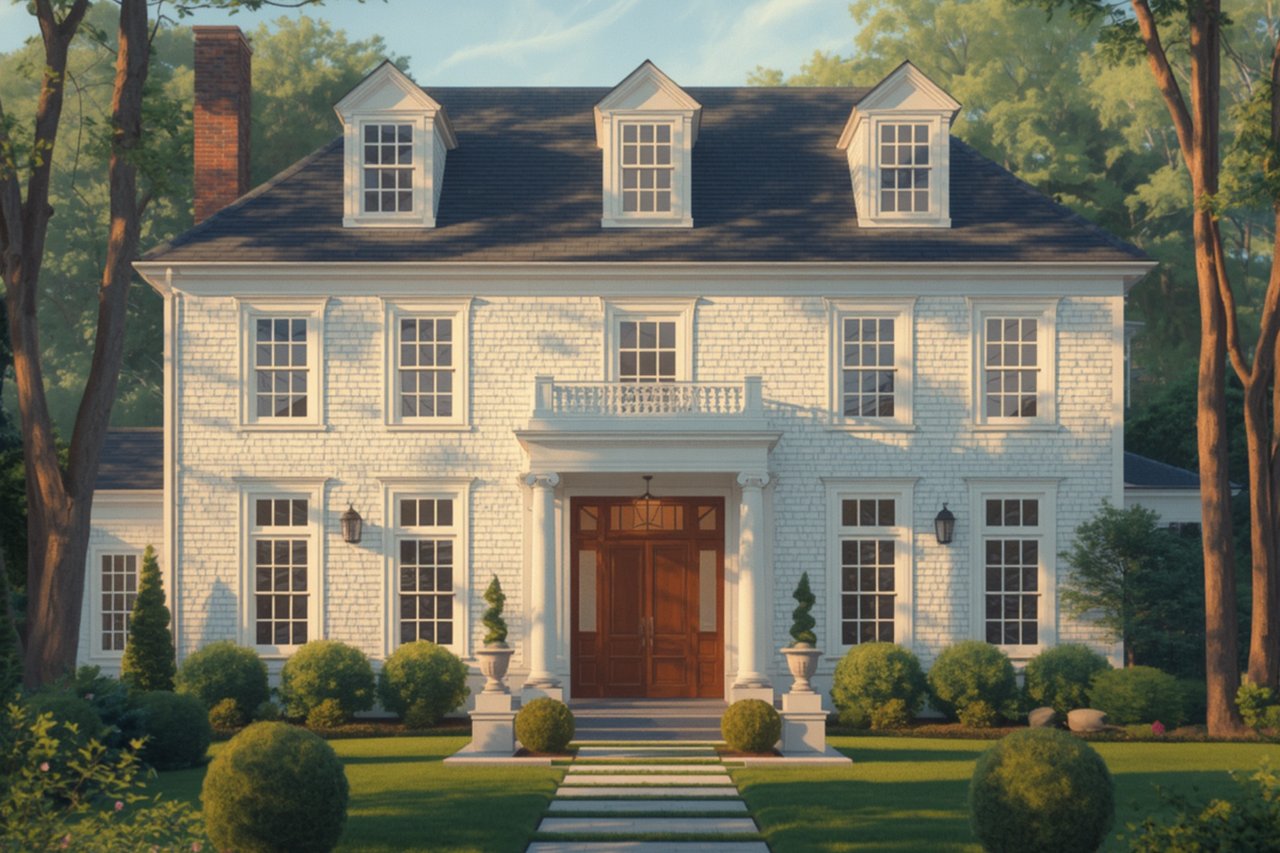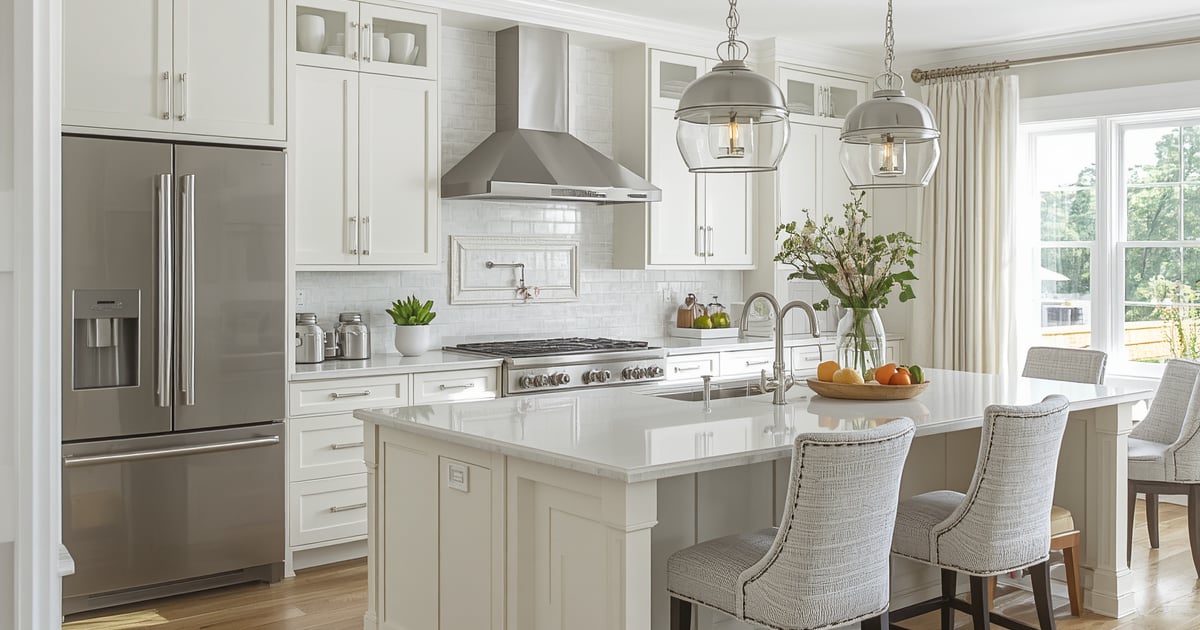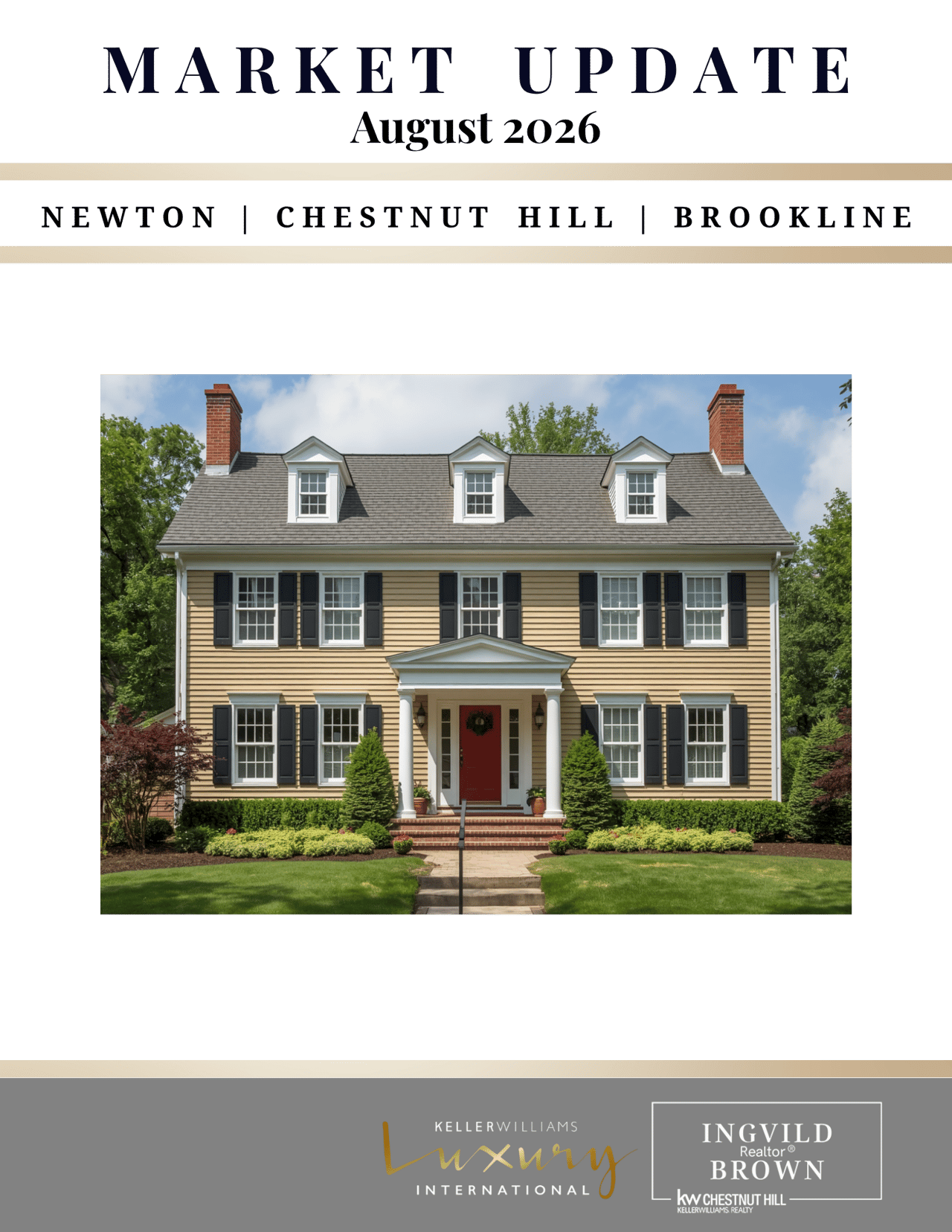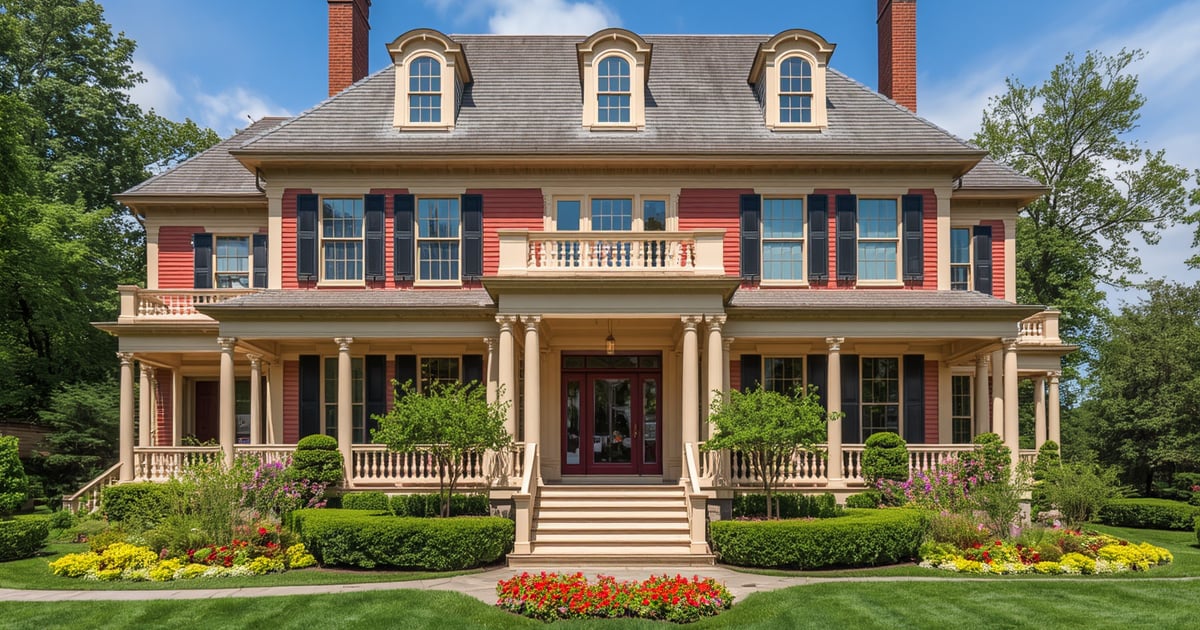
Newton's housing stock is full of homes built when craftsmanship was standard: original hardwood floors with real depth, plaster walls, and millwork details that would cost a fortune to reproduce today. That character is hard to find anywhere else at this price point in Greater Boston. But buyers in Newton's 2026 market are analytically sharp, and they know the difference between a home that looks good and a home that's actually been taken care of. How a historic home is updated (and how that's communicated at market) matters more here than almost anywhere else.
Key Takeaways
- Newton's historic Victorians, Colonial Revivals, and Tudor-style homes carry architectural character that new construction can't replicate, but buyers distinguish closely between cosmetic updates and system-level work
- Renovations that preserve original details while modernizing systems consistently outperform those that erase character in favor of generic finishes
- In Q1 2026, Newton's median single-family sale price crossed $1.5 million, up 7.3% year-over-year, with renovated properties near village centers seeing the strongest demand
- Newton's stretch energy code adds compliance requirements to renovation work that touches insulation, HVAC, and windows; planning around this early protects both budget and timeline
Why Historic Character Holds Its Value in Newton
Newton's restrictive zoning limits new residential construction on most parcels, which means the existing housing stock doesn't compete with a lot of new inventory. A well-maintained Victorian in Newtonville or a fully updated Colonial Revival in Newton Centre is competing against a thin pool of comparables, not a new-build around the corner. That scarcity is structural, and it supports the premium that well-maintained historic homes command.
What Newton's Buyers Are Actually Looking For
- Original wide-plank or hardwood floors, intact millwork, decorative plasterwork, period fireplaces, and stained glass accents all register as value-positive with the executives, medical professionals, and academics who make up Newton's core buyer pool at the $1.5M-plus tier
- Renovations that showcase rather than obscure original details consistently outperform those that have simply layered modern finishes over historic bones; buyers in this market are specifically seeking what makes these homes irreplaceable, and they can tell the difference on a walkthrough
- Lot size and setback are part of the character equation: Newton's historic homes were built on parcels with distance from the street, and that spatial quality is increasingly scarce in a fully built-out city
What Actually Moves the Needle at Resale
Not all renovations create equal value here, and the buyers in Newton's $2M-plus segment know it. They read inspection reports carefully, they adjust offers sharply when systems haven't been addressed, and they notice when a kitchen renovation has erased the character that made the house worth buying in the first place. A gut-modern kitchen dropped into a Victorian tends to work against the sale, not for it.
Where to Focus Renovation Investment
- Kitchen and bathroom updates carry the most resale weight when finishes are consistent with the home's period: custom cabinetry, stone counters, and high-end fixtures in a scale that fits the architecture, not generic renovations that could belong to any house anywhere
- System updates are non-negotiable at this price tier: buyers expect a roof, electrical panel, plumbing, and HVAC that won't require immediate investment, and properties that can't demonstrate this face discounts that regularly exceed the cost of the work itself
- Newton's stretch energy code requires enhanced insulation and energy performance when renovation touches those systems: contractors experienced with historic Newton properties understand how to meet compliance while preserving architectural integrity, and Mass Save rebates can offset portions of the cost
Staging and Presentation for a Historic Newton Home
Staging in the historic home segment is particularly consequential. The goal isn't to make an older home feel new; it's to demonstrate that the character buyers came for is fully intact alongside the comfort they need. Those two things together are what create a competitive offer situation.
What Makes the Difference at Showing
- Furniture scale and period coherence matter: well-proportioned pieces that work with original floor plans help buyers understand how the house actually lives, rather than fighting against the architecture
- Refinished original floors, restored period hardware, and cleaned up original built-ins before going to market consistently produce better outcomes than staging alone; buyers register these details immediately, even when they can't fully articulate why
- Lighting that complements original architectural elements rather than overriding them has a large effect on how a home photographs and how buyers experience it in person
FAQs
Do well-renovated historic homes in Newton sell for more than unrenovated ones?
Yes, and the gap is significant. In Newton's spring 2026 market, renovated properties near village centers are receiving an average of 3.2 offers, while unrenovated homes at comparable prices are sitting considerably longer. The premium for an updated historic home (where systems have been replaced and original character preserved) shows up clearly in both offer prices and days on market.
What's the most common mistake sellers make when updating a Newton historic home?
Replacing original details with generic modern finishes. Buyers drawn to Newton's historic housing stock are specifically looking for what these homes have that nothing else does. Renovations that erase original floors, millwork, or hardware often produce a home that's neither historic enough for its natural buyer nor contemporary enough for a different one.
How does Newton's stretch energy code affect renovation planning?
It requires enhanced insulation and energy performance when work touches those systems, which adds cost and timeline implications that should be factored in from the start. Experienced contractors who work regularly in Newton's historic housing stock understand how to meet compliance without sacrificing architectural character, and Mass Save rebates can reduce the out-of-pocket cost of qualifying upgrades.
Contact Ingvild Brown Today
Newton's historic homes require a particular kind of market knowledge — one that combines data-driven pricing instincts with a genuine understanding of what the architecture is worth and how preparation changes outcomes. Whether you're a long-tenure homeowner evaluating what your property is worth in today's market, or a buyer trying to assess a historic home's true condition and potential, I can help you approach it with the precision it deserves.
Reach out to me, Ingvild Brown, and let's talk through what this market looks like right now for your specific situation.