Are you trying to win a home in Chestnut Hill without taking on unnecessary risk? In a fast, high-value market, the right contingencies can protect your deposit and your future budget while still keeping your offer competitive. You want clarity on what each contingency does, how long it should last, and when to keep or trim it. In this guide, you’ll learn the core contingencies used in Massachusetts, Chestnut Hill-specific considerations, smart timelines, and tactics to strengthen your offer without giving up critical protections. Let’s dive in.
What contingencies are and why they matter
A contingency is a condition that must be met for your purchase to move forward. If the condition is not satisfied, you may have the right to renegotiate or walk away with your deposit, depending on the contract. Contingencies reduce your risk. They also add uncertainty for the seller, so getting them right is a balance between protection and competitiveness.
In multiple-offer situations, you might shorten deadlines or tailor your language to be more attractive. Your strategy should reflect the property type, the competition, and your risk tolerance.
How contingencies work in Massachusetts
In Massachusetts, the signed contract is commonly called the Purchase and Sale Agreement, often shortened to P&S. Contingencies are negotiated in the offer or the P&S and spell out deadlines, rights, and remedies. Earnest money is usually deposited and held in an escrow account, subject to the terms in the contract.
It is common for buyers to involve an attorney early for P&S review, title work, and closing. Your agent and your attorney coordinate the wording and timing of each contingency so that the dates line up with lender and inspection schedules.
Key contingencies to know
Financing contingency
- Purpose: Protects you if you cannot obtain your mortgage on agreed terms.
- Mechanics: You apply promptly and work in good faith with your lender. If financing is denied by the contingency date, you may be able to terminate and recover your deposit per the contract.
- Common timeline: Often 21 to 45 days for loan commitment. In tight markets, buyers sometimes aim for about 21 to 30 days.
- Tip: A strong, fully underwritten preapproval and a detailed commitment letter reduce risk and reassure sellers.
Appraisal contingency
- Purpose: Covers the risk that the lender’s appraisal is lower than the purchase price.
- Options if low: Renegotiate price, bring extra cash, or terminate if your contract allows.
- Timing: Usually tracks the underwriting schedule, often within 2 to 3 weeks after offer acceptance or per the lender’s process.
- Strategy: Consider an appraisal gap clause where you agree to cover a set amount above a low appraisal instead of waiving the contingency entirely.
Title contingency and review
- Purpose: Allows your attorney to confirm clean title, free of unresolved liens or clouds.
- Timing: Title review starts early and runs in parallel with other steps. Resolution depends on the issue.
- Outcome: If a defect appears, the seller may cure it before closing or you may have the right to terminate, depending on your contract.
Sale-of-buyer’s-home contingency
- Purpose: Your purchase depends on your current home selling.
- Market reality: Sellers in competitive areas often prefer offers without this contingency. If used, sellers may include a kick-out clause that lets them accept another offer unless you remove the contingency within a set time, often 48 to 72 hours.
Condo or co-op document review
- Purpose: Lets you review the association’s bylaws, rules, budgets, reserves, meeting minutes, and any known projects or assessments.
- Timing: Often 5 to 14 days.
- Why it matters: Weak reserves or looming projects can be costly. This review is essential for condos.
Environmental and specialized contingencies
- Lead-based paint: For homes built before 1978, federal disclosure rules apply. Review the EPA’s guidance on lead-based paint disclosures and consider testing and remediation options.
- Septic and sewer: Many Chestnut Hill homes use municipal sewer and water. Some edge properties may still have septic. Confirm utility connections and include septic inspection or documentation if applicable.
- Oil tanks: New England homes may have current or former oil systems. Targeted inspection or environmental review can be wise.
Chestnut Hill specifics to factor in
Three municipalities, three sets of rules
Chestnut Hill spans parts of Boston, Brookline, and Newton. That means differences in permitting, taxes, and municipal services depending on where the property sits. Verify the city or town early and match any municipal references in your contingencies to the correct agency.
- City of Boston information is available on the official Boston website.
- Brookline services, permits, and local rules are on the Town of Brookline site.
- Newton resources and permitting live on the City of Newton site.
This split can affect things like building permits, utility hookups, taxes, and zoning reviews. If your plans involve exterior changes, be sure your offer timeline leaves room to assess what approvals might be required.
Older, architecturally significant homes
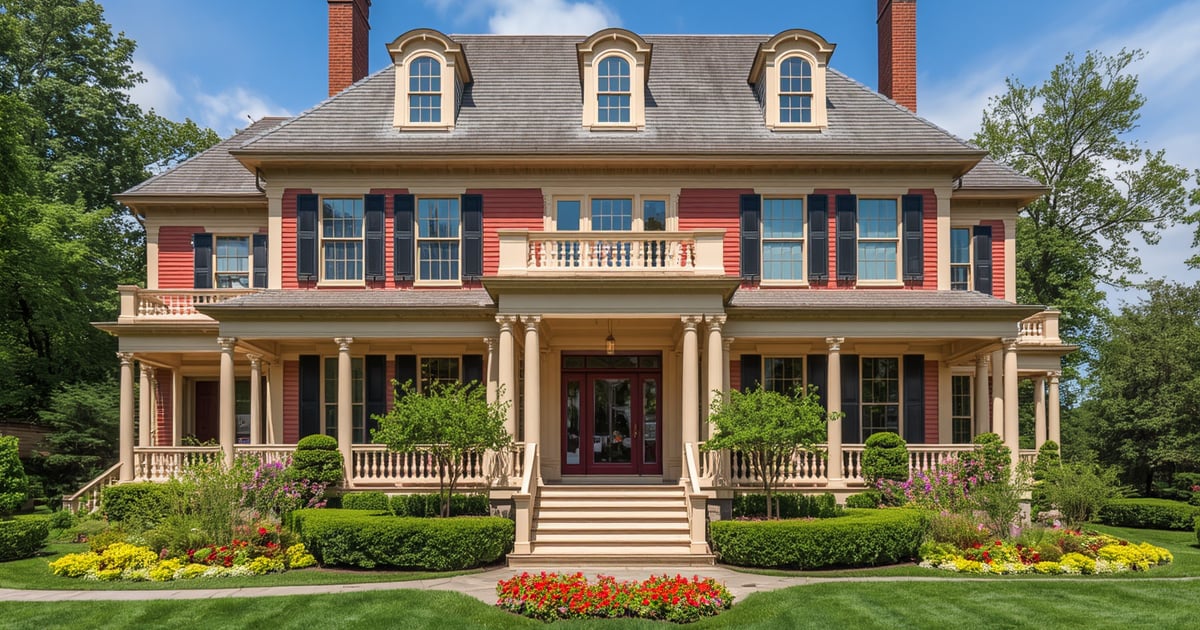
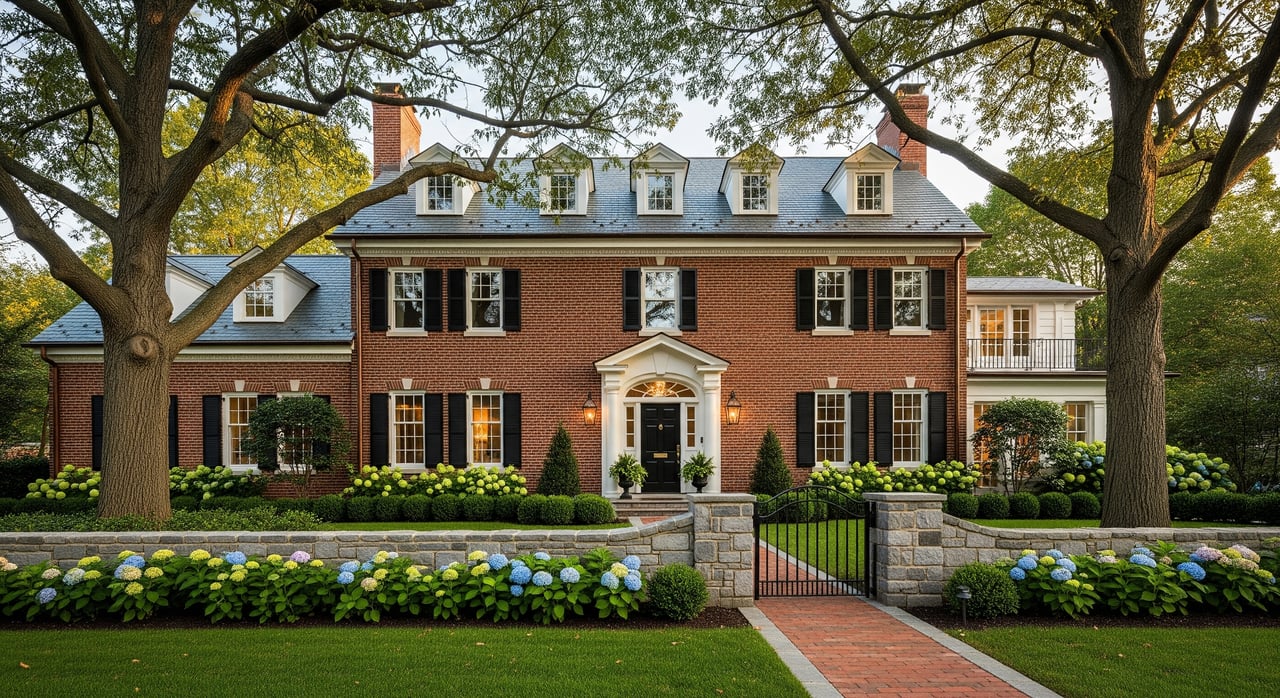
Many Chestnut Hill properties are older and distinctive. Common findings include older wiring like knob and tube, aging plumbing, deferred maintenance, and potential lead paint. Some areas may have historic commission oversight that affects exterior changes.
Plan for targeted inspections, such as electrical, chimney, and roof. If you intend to renovate, ensure enough time for inspection to bring in the right specialists.
Sewer, water, and potential septic
Most homes are on public water and sewer, but verify. If septic is possible, include a septic inspection or a document review of pumping and compliance. Lenders and insurers may require proof that systems meet current standards.
Timelines and sequencing that work
Every deal is unique, but these checkpoints are a practical starting point. Your agent, lender, and attorney should align the dates.
- Book inspectors as soon as your offer is accepted.
- Mortgage and underwriting: Start right away. Expect 21 to 45 days for a formal loan commitment.
- Appraisal: Your lender orders this after application and initial underwriting. Results often land 1 to 3 weeks after the appraisal is scheduled.
- Title review: Your attorney starts early. Title issues are flagged as soon as possible.
- Condo or HOA documents: If buying a condo, aim for a 5 to 14 day review window that overlaps with your inspection schedule.
Coordinate these dates so they do not conflict. For example, avoid setting a closing date that is earlier than your lender’s commitment timeline. Small misalignments create big stress and can put your deposit at risk.
Win in competition without losing protection
In a high-demand neighborhood like Chestnut Hill, you can make a strong offer without waiving everything. Consider:
- Provide a solid earnest deposit and show flexibility on closing date.
- Use an appraisal gap clause with a defined cap rather than waiving the appraisal contingency.
- Submit a full underwriting preapproval and proof of funds for your down payment and closing costs.
- Line up inspectors in advance so you can move fast without cutting corners.
If you must consider waiving a contingency, do it with eyes open. Waiving financing puts your deposit at risk if the loan fails. These moves fit best if you have ample reserves, a strong plan, and high confidence in your property assessment.
Common pitfalls to avoid
- Waiving financing without reserves or a clear back-up plan.
- Setting mismatched timelines, such as a closing date before loan commitment.
- Skipping municipal checks that affect your plans, especially if the property is subject to historic review.
- Assuming older homes will meet lender or insurer requirements without specific approvals.
- Overlooking condo reserves, planned projects, or special assessments in a condo purchase.
Who holds your deposit and how it is handled
Earnest money is typically held in a broker escrow account based on the contract. Refunds depend on the exact contingency language and whether you properly terminated within your rights and deadlines. If a dispute arises, your attorney may need to resolve it.
For general regulatory information on real estate rules in Massachusetts, you can review the state’s Board of Registration of Real Estate Brokers and Salespersons.
How a boutique strategy helps you
Chestnut Hill is a nuanced, high-stakes market. You benefit from precise planning, quick coordination, and strong negotiation. A boutique, hands-on approach helps you move fast without sacrificing diligence.
With focused coaching, you can structure your offer so your strongest points stand out. That might be a shorter inspection period, proof of funds, an appraisal gap clause with a clear cap, or flexible dates that match the seller’s needs. The goal is simple. Protect your interests, remove friction for the seller, and close with confidence.
Ready for a tailored plan for your next offer in Chestnut Hill, Brookline, or Newton? Connect with Ingvild Brown to map your timeline, structure smart contingencies, and compete with clarity.
FAQs
Can I write an offer in Chestnut Hill with no contingencies?
- Yes, you can, but it is riskier. In Massachusetts buyers have the right to inspections and may not include information about whether or not they plan to do inspections in an offer to seller. Likewise, a seller may not base acceptance of an offer on whether or not buyer will conduct inspections.
- Removing financing protections can help you compete, yet it exposes you to repair surprises or the risk of losing your deposit if financing fails.
How long should financing, and appraisal contingencies last in MA?
- Typical ranges for financing at 21 to 45 days, and appraisal on the lender’s schedule, often 2 to 3 weeks after ordering.
What happens if the appraisal comes in below the price?
- You can renegotiate the price, bring additional cash, or, if you kept an appraisal contingency, terminate under the contract’s terms.
Do sellers in Chestnut Hill accept offers with contingencies?
- Many do, but strong offers often trade for shorter deadlines, a higher price, or a higher earnest deposit to offset the seller’s uncertainty.
Who holds earnest money in Massachusetts and when is it refunded?
- Earnest money is typically held in a broker escrow account under the contract, and it is refunded only if your contingencies and termination rights are exercised properly and on time.
What should I verify about Chestnut Hill’s municipalities before I write an offer?
- Confirm whether the property is in Boston, Brookline, or Newton, then match your due diligence to local permitting, utilities, and any historic or zoning rules using the Boston, Brookline, and Newton resources.
What extra steps should I take for older Chestnut Hill homes?
- Plan targeted inspections for electrical, chimney, roof, and possible lead paint, and review the EPA lead disclosure guidance if the home was built before 1978.