Buying in Chestnut Hill often means navigating bigger price points and more complex financing. If you are looking at homes in Boston, Brookline, or Newton’s Chestnut Hill area, you will likely encounter jumbo loans and the extra steps that come with them. You want clarity on down payments, timelines, and what lenders expect so you can plan with confidence. This guide breaks down how jumbo mortgages work here and how to position your offer to win. Let’s dive in.
What a jumbo loan is
A jumbo loan is a mortgage that exceeds the conforming loan limit set each year by the Federal Housing Finance Agency. Because it does not meet conforming criteria, the lender either keeps the loan on its books or sells it to investors willing to buy non-conforming debt. In practice, that means stricter underwriting, higher reserve requirements, and program-by-program rules that vary by lender.
Why jumbos are common in Chestnut Hill
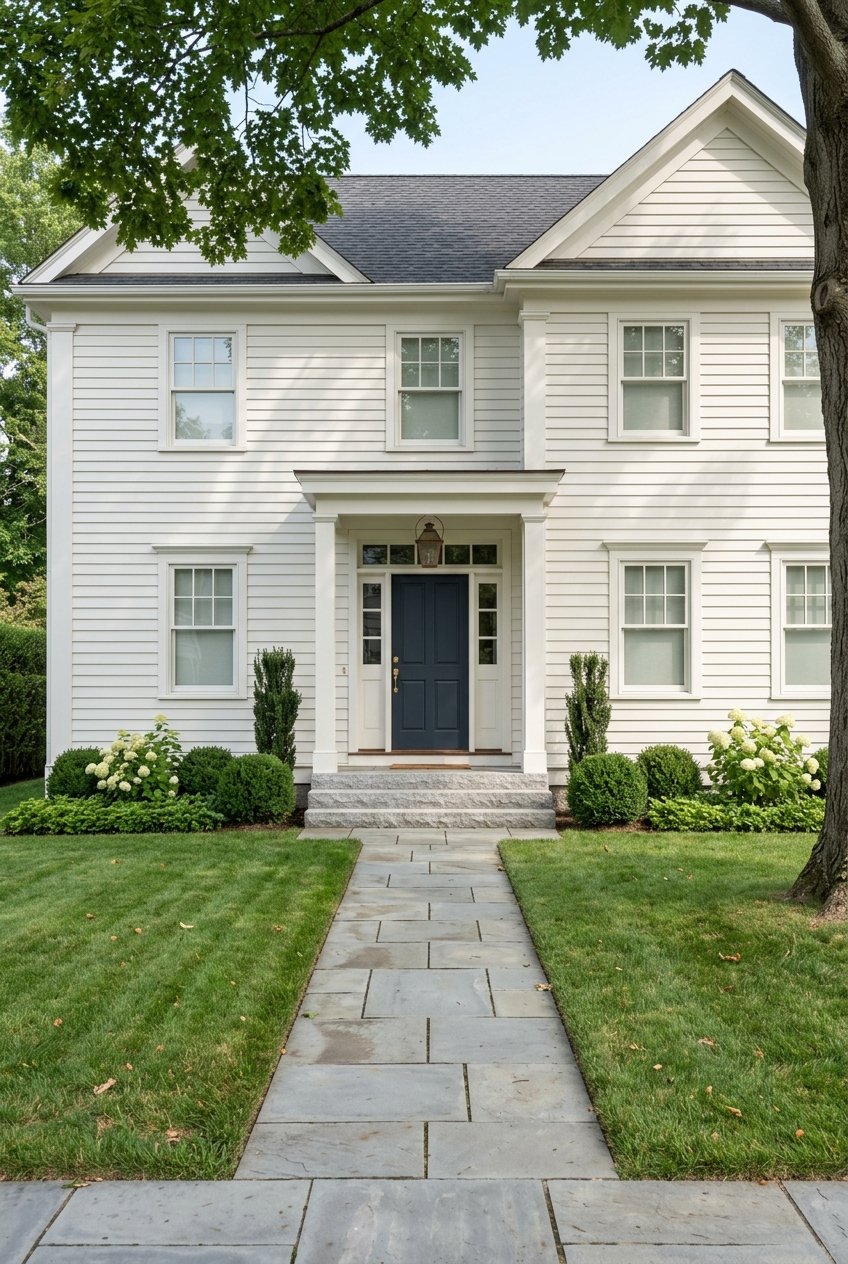
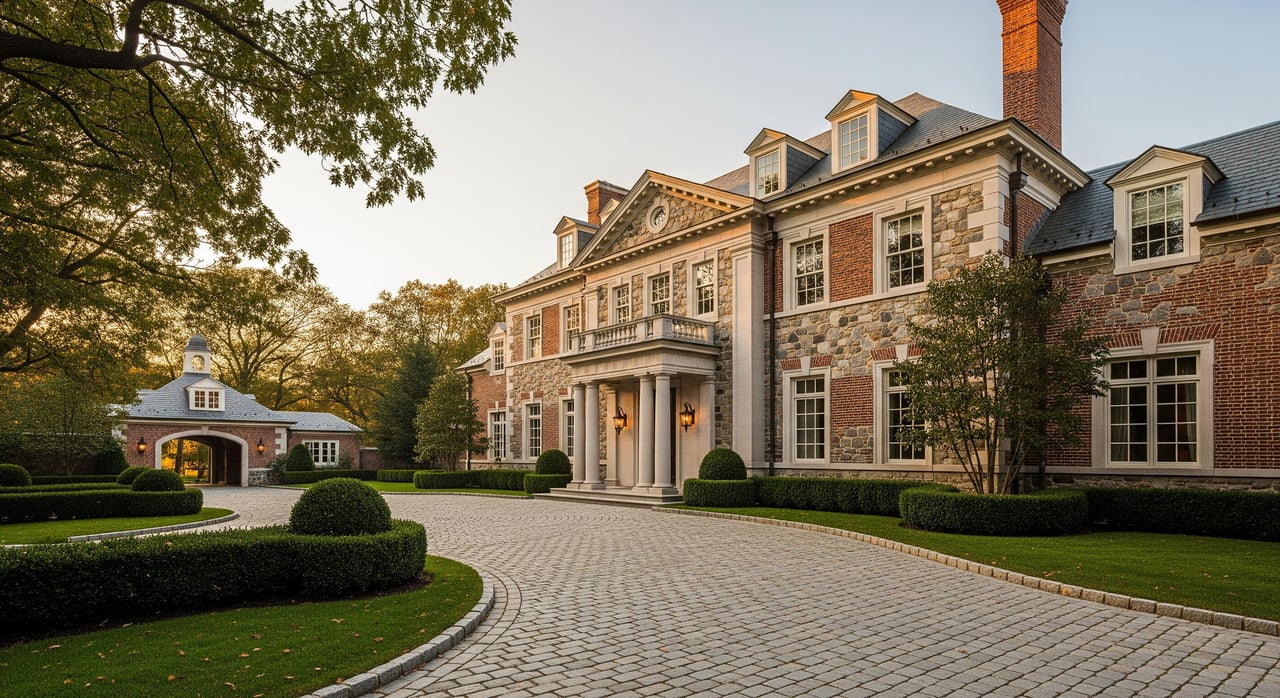
Chestnut Hill spans parts of Boston, Brookline, and Newton. Many properties here are luxury single-family homes or high-end condos, and a significant share sell above conforming loan limits. That creates steady demand for jumbo mortgages, as well as cash purchases and combination strategies like a mortgage paired with a line of credit.
If you plan to buy in Chestnut Hill, it helps to assume that jumbo financing may be part of the conversation unless you are purchasing with cash or focusing on a lower-priced condo.
County limits and where they apply
Chestnut Hill crosses three counties: Suffolk County for Boston addresses, Norfolk County for Brookline addresses, and Middlesex County for Newton addresses. Conforming loan limits are set by county and updated annually. Any loan amount above the current county limit is a jumbo.
Before you make an offer, confirm the property’s exact municipality and check the current FHFA limit for that county. This affects whether you pursue conforming or jumbo financing and which documentation rules will apply.
How jumbo underwriting differs
Credit, income, and reserves
Jumbo programs typically expect strong credit. For best pricing, many lenders look for mid-700s or higher. You will need stable, well-documented income, and lenders tend to scrutinize debt and income more closely than they do for conforming loans. Debt-to-income limits are often tighter, commonly topping out in the mid-40 percent range depending on your profile.
Reserve requirements are higher. Many lenders want to see 6 to 12 months of principal, interest, taxes, and insurance in liquid or near-liquid reserves. Expect more for a second home or investment property.
Down payment and LTV
A 20 to 30 percent down payment is common for primary residences. Some portfolio lenders will consider 10 to 15 percent down when compensating factors are strong, but pricing may be higher. Larger “super-jumbo” loans usually require more equity.
Mortgage insurance on jumbos
Standard private mortgage insurance is typically designed for conforming loans. Many jumbo programs do not use standard PMI. Instead, lenders mitigate risk with bigger down payments or lender-level solutions. Plan your cash accordingly.
Appraisals and valuation
High-value properties often require a full interior appraisal, and some lenders request a second appraisal or a review. In Chestnut Hill, unique estates or custom homes may have few recent comparable sales, which can lengthen appraisal timelines. Build extra time into your financing contingency so the appraiser can source appropriate comps.
Common jumbo programs
Full-documentation jumbos
Most jumbo loans use full documentation. Expect to provide two years of tax returns, W-2s or 1099s, recent pay stubs, and complete asset statements. Large deposits must be documented. Be ready to explain any income anomalies.
Asset-based and bank-statement options
If your profile is asset rich with limited traditional income, some lenders offer asset-depletion programs that convert assets into an imputed income stream for underwriting. Self-employed buyers sometimes qualify with bank-statement programs that analyze deposits instead of tax returns. Availability varies, and pricing is usually higher than standard full-doc programs.
Non-QM and interest-only
Non-Qualified Mortgage products can allow more flexible documentation or features like interest-only periods. These programs come with different protections and often higher rates. They can be a fit if traditional qualification is not feasible, but they require careful review.
Portfolio and private-bank loans
Community banks, credit unions, and private banks that keep loans in portfolio often offer the most flexible jumbo options. They set their own overlays and can be a good match for complex income, unique properties, or condos that need project-level review.
Property types and local nuances
Condos and HOA health
Chestnut Hill includes boutique buildings, larger complexes, and luxury conversions. For jumbos, lenders often require project approval and will examine HOA reserves, budgets, and any outstanding litigation. If you are eyeing a condo, request HOA financials early and review owner-occupancy and reserve policies to avoid surprises.
Historic and renovated homes
Some Chestnut Hill homes are historic or recently updated with significant renovations. Lenders may ask for permits, cost documentation, and insurance details. Specialty renovation or portfolio jumbo programs exist, but they involve more documentation and can carry higher costs.
Second homes and investment properties
Stricter standards are common for non-primary residences. Expect higher down payments, tighter DTI caps, and larger reserve requirements.
Cross-municipality taxes and fees
Because Chestnut Hill spans Boston, Brookline, and Newton, property tax rates and recording fees differ. That impacts both your monthly payment and cash to close. Verify the address’s municipality and budget for the correct tax rate, title premiums, and recording charges when you estimate PITI and reserve needs.
Timelines, contingencies, and offer strategy
Jumbo underwriting can take longer than conforming. Appraisal scheduling and additional documentation reviews can add days. In a competitive Chestnut Hill listing, sellers may prefer clean terms, strong pre-approvals, and proof of funds for the down payment and reserves.
Consider these strategies:
- Request a pre-approval from a lender that actively funds jumbos.
- Share a concise financial snapshot with your agent to support your offer strength.
- Right-size your financing contingency to allow for appraisal and underwriting.
- If you are selling and buying, discuss timing, potential bridge strategies, or rent-backs so you can close smoothly.
Buyer preparation checklist
Use this to streamline your approval and build confidence with sellers.
- Get pre-approved with a lender experienced in jumbos. Ask the letter to note the program type and estimated loan size.
- Review your credit early and resolve major issues in advance.
- Gather documents: 2 years tax returns, W-2s or 1099s, recent pay stubs, full asset statements, and explanations for large deposits or variable income.
- Confirm reserve needs. Plan for 6 to 12 months of PITI, and more for second homes or investments.
- If buying a condo, request HOA budgets, reserves, insurance, and resale documents early.
- Discuss appraisal timelines for unique or high-value properties and plan your contingency accordingly.
- If self-employed or asset heavy, ask about asset-depletion or bank-statement programs to see if they fit your profile.
Seller checklist for jumbo-dependent offers
Help your buyer and the lender move quickly and reduce risk in your deal.
- Request a detailed pre-approval from a lender that regularly closes jumbo loans.
- Consider slightly longer financing contingency deadlines to account for appraisals and additional underwriting.
- Provide a complete disclosure packet: permits, renovation records, utility info, and any HOA documents if applicable.
- Support the appraisal. Share a list of recent local comps, improvements, and unique features that add value.
Smart lender shopping
Pricing and policy vary widely in the jumbo market. To benchmark your options, consider getting quotes from:
- A national investor or retail lender with published jumbo tiers.
- A regional bank or credit union with local portfolio products.
- A mortgage broker who can access multiple non-conforming investors.
Compare not only the rate and points but also reserve requirements, appraisal conditions, condo project standards, and interest-only or prepayment options.
Putting it all together
Buying in Chestnut Hill requires a clear plan for financing, documentation, and timelines. When you understand jumbo expectations and the cross-municipality details that affect taxes and fees, you can make stronger offers and close with fewer surprises. With a thoughtful strategy and the right preparation, you can compete confidently in Boston, Brookline, and Newton.
If you want a tailored plan for your next move, schedule a private consultation with Ingvild Brown. You will get data-driven guidance, negotiation coaching, and a clear path from offer to close.
FAQs
What is a jumbo mortgage for Chestnut Hill buyers?
- A jumbo mortgage is any home loan that exceeds your county’s current conforming loan limit, which makes it non-conforming and subject to stricter lender rules.
How much down payment do jumbo loans require?
- Many lenders expect 20 to 30 percent down for a primary residence, with some allowing 10 to 15 percent when you have strong credit and assets.
Are jumbo rates always higher than conforming?
- Not always. The spread changes with market conditions and your profile, and jumbos can be competitive, especially with strong credit and reserves.
Can I use a jumbo loan to buy a condo in Chestnut Hill?
- Yes, but lenders usually review the condo project’s financials, reserves, and owner-occupancy, and some require formal project approval.
How long do jumbo loans take to close?
- Often a bit longer than conforming loans due to extra underwriting and appraisal steps, so plan for added time in your financing contingency.