Thinking about adding space for family, a guest suite, or steady rental income without leaving your Newton home? An accessory dwelling unit can be a smart way to create flexibility and long-term value. You want clarity on rules, costs, timelines, and how to move forward with confidence. This guide walks you through what to verify in Newton, the main design and permitting choices, and a practical checklist to avoid surprises. Let’s dive in.
Why an ADU fits Newton
An ADU is a smaller, independent dwelling on the same lot as your primary home. It can support multigenerational living, generate rental income, or offer a comfortable place for guests and caregivers. In Newton’s close-in, transit-served neighborhoods, an ADU can add utility today and expand your buyer pool when you sell.
Because ADUs are highly site specific, the best path is to confirm what your lot allows, then shape a design that meets code and fits the character of your property. The right plan balances privacy, access, and long-term maintenance with neighborhood context.
Start with Newton zoning
Massachusetts sets broad housing policy, but cities set the specific ADU rules. In Newton, you will confirm what is allowed for your parcel through the Planning & Development Department, the Building Division, and any relevant overlays or conservation areas. Treat the local zoning ordinance as your primary reference for size, placement, and use.
If your property is near MBTA-served corridors or within a special district, additional standards may apply. For properties that rely on septic, the Board of Health will review any added flows.
Key variables to confirm
- Whether an ADU is allowed by-right or needs a special permit
- Maximum ADU size and how it is measured
- Attached, interior, or detached ADU options
- Owner-occupancy requirements, if any
- Parking minimums or potential waivers near transit
- Setbacks, height limits, lot coverage, and floor area rules
- Short-term rental restrictions and registration rules
- Transferability and any local occupancy registration
A brief pre-application meeting with city staff can surface most constraints early and save time.
Permits and local timeline
Every project is different, but most Newton ADUs follow a predictable path:
- Pre-application consultation to test concepts and identify hurdles
- Zoning and building permit submissions with stamped plans
- Board of Health review if septic, stormwater, or additional plumbing flows are involved
- Inspections throughout construction and a final Certificate of Occupancy
Typical timelines vary:
- Preliminary concept and pre-check: about 2 to 6 weeks
- Full reviews and approvals: about 1 to 6 months, longer if hearings are needed
- Construction: about 2 to 6 months for interior conversions; about 4 to 12 months for detached builds
Your exact schedule will depend on design complexity, whether variances are required, and contractor availability.
ADU types and design choices
Choosing the right ADU form starts with your site, budget, and goals.
- Interior conversion. Often the most cost-effective. Converting a basement, attic, or a portion of the main home can work well if you can meet egress, fire separation, and soundproofing.
- Garage conversion. A good way to add a unit without expanding the footprint. Check structure, height, and setback rules.
- Above-garage unit. Adds privacy but can trigger height or setback reviews.
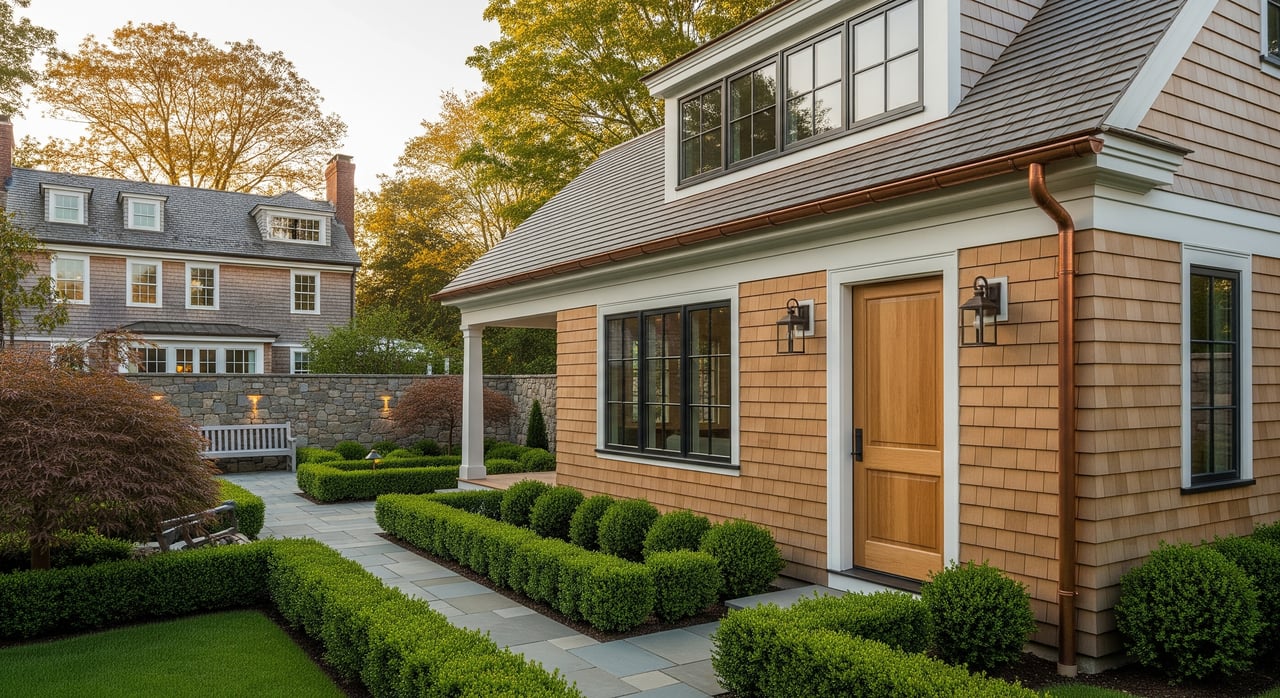
- Detached cottage. Creates strong separation and flexibility. This is typically the most complex and costly due to foundations, utilities, and siting.
- Modular or prefab. Can shorten on-site time, but still requires foundation, utility connections, and local approvals.
Design for comfortable living and long-term maintenance:
- Plan layouts that hit code-compliant room sizes and clear routes of egress.
- Provide a separate entrance when feasible to improve privacy and leasing appeal.
- Use thoughtful sound control between units. Consider resilient channels, insulation, and solid-core doors.
- Consider universal design features if aging in place is a goal.
- Right-size parking and storage. Proximity to transit may reduce parking demand.
- Invest in energy-efficient systems. Heat pumps and induction ranges can cut utility costs and simplify venting.
Building code and utilities
ADUs must meet the Massachusetts State Building Code for dwelling units, including structural, fire, electrical, plumbing, ventilation, and life-safety standards. Even for a simple conversion, you should expect updates to electrical panels, HVAC capacity, and insulation. Older homes often need panel upgrades to support an additional kitchen and added mechanicals.
Check water and sewer capacity. Many Newton homes connect to municipal sewer, but some rely on septic. If septic is involved, the Board of Health will review flow calculations and may require upgrades.
Costs and risk drivers
Every site and scope is unique, but you can think about costs in tiers:
- Interior conversion. Often the lowest cost due to limited exterior work.
- Garage-to-unit or major interior reconfiguration. Moderate cost, scope dependent.
- New detached ADU. Highest cost due to site work, structure, and utility runs.
Budget for soft costs and fees in addition to construction:
- Architectural and engineering plans
- Structural calculations and energy modeling
- Zoning, building, and inspection fees
- Utility connection fees and potential stormwater or tree protection measures
Common drivers of added cost and time include historic-district review, variance hearings, septic upgrades, utility capacity upgrades, and tight site access for equipment.
Financing, taxes, insurance, and renting
Most owners fund ADUs using one or more of the following:
- Cash or savings
- Home equity loan or HELOC
- Cash-out refinance
- Construction financing for larger or detached builds
- State or local programs that may support small-unit creation; check for current offerings
Expect your assessment to increase if you add a legal dwelling unit. Rental income is taxable at both federal and state levels. Work with your tax advisor on depreciation and expense deductions.
Notify your insurance carrier when you add a separate unit. You may need a landlord endorsement or a dedicated policy to cover rental liability and replacement.
If you plan to rent long term, Massachusetts landlord-tenant law applies. That includes leases, security deposits, habitability standards, and eviction procedures. Short-term rentals are often regulated differently. Verify current Newton rules before planning for short stays.
Market demand in Newton
Newton draws professionals who work in Boston and Cambridge, graduate students, and older adults who want to stay near services. Close proximity to MBTA Green Line branches, commuter rail, and bus routes can support strong demand for well designed studios and one-bedrooms. Locations near village centers such as Newton Centre, Newton Highlands, Newtonville, or West Newton often offer better access to amenities.
Rents and vacancy shift by neighborhood and season. Build a conservative pro forma using current local rental data for similar unit sizes and finishes. A local property manager or leasing specialist can help you calibrate achievable rents and likely time on market.
Step-by-step checklist for Newton owners
Verify zoning. Confirm whether an ADU is allowed for your parcel, the maximum size, attached or detached options, and parking rules. Check overlays or historic districts.
Schedule a pre-application meeting. Share a sketch or concept with Planning or the Building Division to identify likely triggers and documentation needs.
Review site constraints. Confirm sewer or septic status. Note any conservation, tree, or stormwater requirements. Flag utility capacity upgrades early.
Build a budget. Get two to three local contractor estimates and account for design, engineering, permitting, and utility costs.
Assemble your team. Engage an architect or designer familiar with Newton projects. Add structural and septic engineers as needed.
Apply for approvals. Submit zoning and building permits, and any Board of Health materials. Plan time for hearings if a special permit or variance is required.
Manage construction. Schedule inspections, keep clear records, and protect neighbors from impacts with a clean site and predictable work hours.
Close out and operate. Obtain the Certificate of Occupancy. Notify the Assessor and your insurer. Register or license the unit if required. If renting, set up leases and maintenance protocols.
When an ADU boosts resale value
A legal, well executed ADU can broaden your future buyer pool by appealing to multigenerational households and buyers seeking offsetting rental income. Documentation matters. Keep plans, permits, inspection sign-offs, and Certificate of Occupancy organized. If you anticipate selling within a few years, align materials and finishes with broader market preferences and maintain clear separation between units for privacy and safety.
For sellers, an ADU can change your pricing strategy. Showcase the unit’s functionality, confirm compliance, and present realistic income scenarios. Coordinate early so you can highlight the value without overpromising.
Common pitfalls to avoid
- Skipping the zoning check or pre-application meeting
- Underestimating electrical, HVAC, or water service needs
- Ignoring short-term rental rules and city registrations
- Overdesigning for square footage without focusing on livability and safety
- Missing privacy, noise control, and separate access
- Failing to plan for parking, bike storage, and trash service
- Not documenting permits and inspections for future resale
Your next move
If an ADU is on your mind, start with a quick zoning check and a realistic budget range. From there, you can shape a design that fits your lot, meets code, and supports your goals as an owner, landlord, or future seller. If you want a pragmatic view on resale impact, rental potential, and how to position your property, connect with Ingvild Brown for a private, local perspective.
FAQs
Can I build an ADU on my Newton lot?
- It depends on your parcel’s zoning, dimensional standards, and any overlays. Start by confirming allowed uses, size limits, and parking, then schedule a pre-application meeting with city staff.
How big can an ADU be in Newton?
- Maximum size is set by local ordinance and may be an absolute number or a percentage of the primary home. Verify the current standard before you design.
Do I need to live on the property if I add an ADU?
- Some municipalities require owner-occupancy while others do not. Confirm Newton’s current policy and any registration or inspection requirements.
How long does ADU permitting and construction take in Newton?
- Expect a few weeks for pre-checks, one to several months for reviews, and about 2 to 12 months for construction depending on scope and whether hearings are required.
Will my property taxes go up after adding an ADU?
- Likely yes. The Assessor typically re-evaluates the property after a new legal unit is added, which can increase your tax bill.
Can I use an ADU for short-term rentals in Newton?
- Only if current city rules allow it. Short-term rentals are often regulated differently than long-term leases. Verify Newton’s requirements before planning short stays.